

A conditional shortlist

Three pet insurance companies to compare

None is the right answer for every pet.

Owner using a tablet on a sofa beside a golden-colored dog
✓ Policy-first ✓ Independent ✓ Useful checks
Direct answer
These are three options selected for distinct features, not a market-wide ranking or a claim that they are the cheapest or best for your pet.
Decision guide

Why these three made this shortlist

The selection method is functional: examine how the policy is built, how money reaches the clinic or owner, and how routine care is handled. Official company materials establish the named features. No personalized quotes, claims-service testing or statistical ranking were performed for this guide.

Use the shortlist as a starting point. Remove a company if it cannot insure your pet in your state, if its treatment of prior symptoms is unsuitable, or if you cannot sustain the premium. Other insurers may fit better.

That relationship is not evidence of superior coverage. Compare issued terms before following any purchase route.

What to know

Three strengths, three questions that could change the choice

Company Reason to compare Question that could rule it out
Trupanion VetDirect Pay at participating hospitals and a per-condition deductible model. Will your regular and emergency clinics use the direct-payment system, and can you handle more than one condition deductible?
Embrace Accident-and-illness insurance can be paired with a separate Wellness Rewards membership. Would you use enough eligible routine care to justify the full membership cost and cancellation obligations?

A feature only earns weight if it solves your problem. A grooming allowance is of little value to an owner who does not use it. Direct payment may matter much more to someone who cannot temporarily fund a large clinic invoice.
What to know

Test the payment route at your real clinic

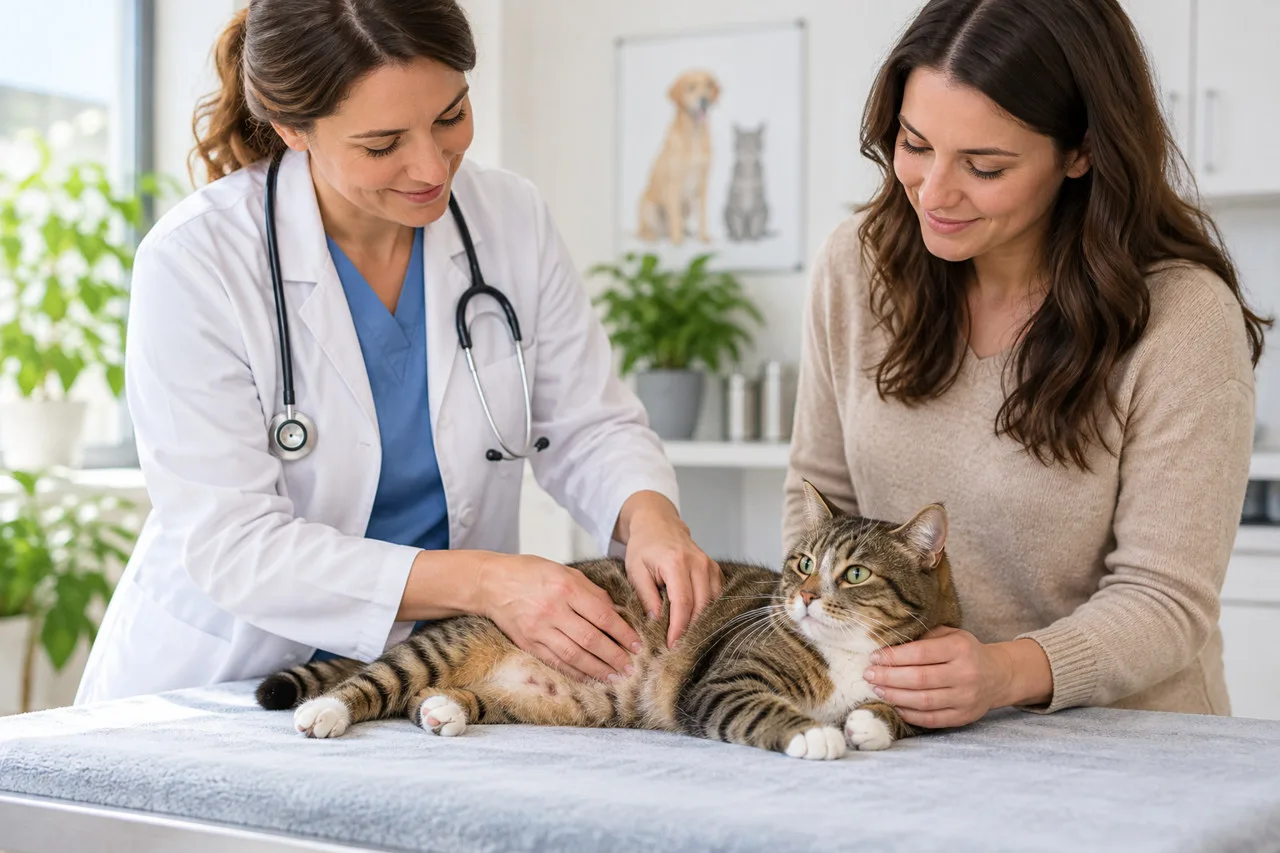
Veterinarian examining a cat with its owner
Use the clinic you would actually visit when testing a direct-payment option.

For Trupanion, ask the clinic whether it participates in VetDirect Pay and can use it for your visit. The owner still owes the policyholder share and excluded charges. Keep a backup payment arrangement for a claim requiring further review; “direct pay” should not be read as universal payment approval.

For a reimbursement offer, ask how you would fund the invoice before receiving an approved payout. That cash-flow question can outweigh a small monthly premium difference. A policy can be valuable yet still require money at checkout.

Next, compare a recurring-condition scenario with two unrelated conditions. Trupanion’s published deductible model is per condition, with the same condition not starting a fresh deductible each year. An annual-deductible contract instead uses its stated yearly reset. Neither structure always wins: the result depends on which costs are eligible and how conditions are classified.

Compare

Run a fair three-quote comparison

  • Use the same pet profile, address, desired start date and honest medical history.
  • Record the annual premium including add-ons and payment fees, not just the first monthly number.
  • Match reimbursement and payout limits where possible; mark differences when matching is impossible.
  • Separate the medical policy cost from routine-care membership dues.
  • Check the treatment of examination fees, dental care and prior symptoms in the actual documents.

Do not assign points to a brand simply for advertising a larger number. An unlimited payout structure and a low deductible solve different problems. Ask what you would retain on a covered claim and what you could owe on an excluded one.

Decision guide

Choose the strongest fit after the disqualifiers

If reliable checkout support is essential, clinic compatibility should be a must-have. If predictable routine care is the priority, calculate usable membership benefits first. If you prefer to adjust medical coverage around a budget, compare the total price of the exact options rather than a stripped-down starting price.

The final choice should survive a simple explanation: “I chose this policy because it covers these future risks, leaves me with this manageable share, and works with how I pay my veterinarian.” If that sentence depends on an unconfirmed promise, keep comparing.

Evidence

Sources and policy context

These public references support the consumer or veterinary context. Named insurer details were checked in official product materials; the policy offered for your pet and state determines the actual terms.

Next step

Compare Current Pet Insurance Rates

Check current options for your pet and location, then compare the policy details, exclusions, costs, and eligibility before choosing.

Compare the policy before you choose Check the actual offer, exclusions and out-of-pocket terms.
See Rate Options